
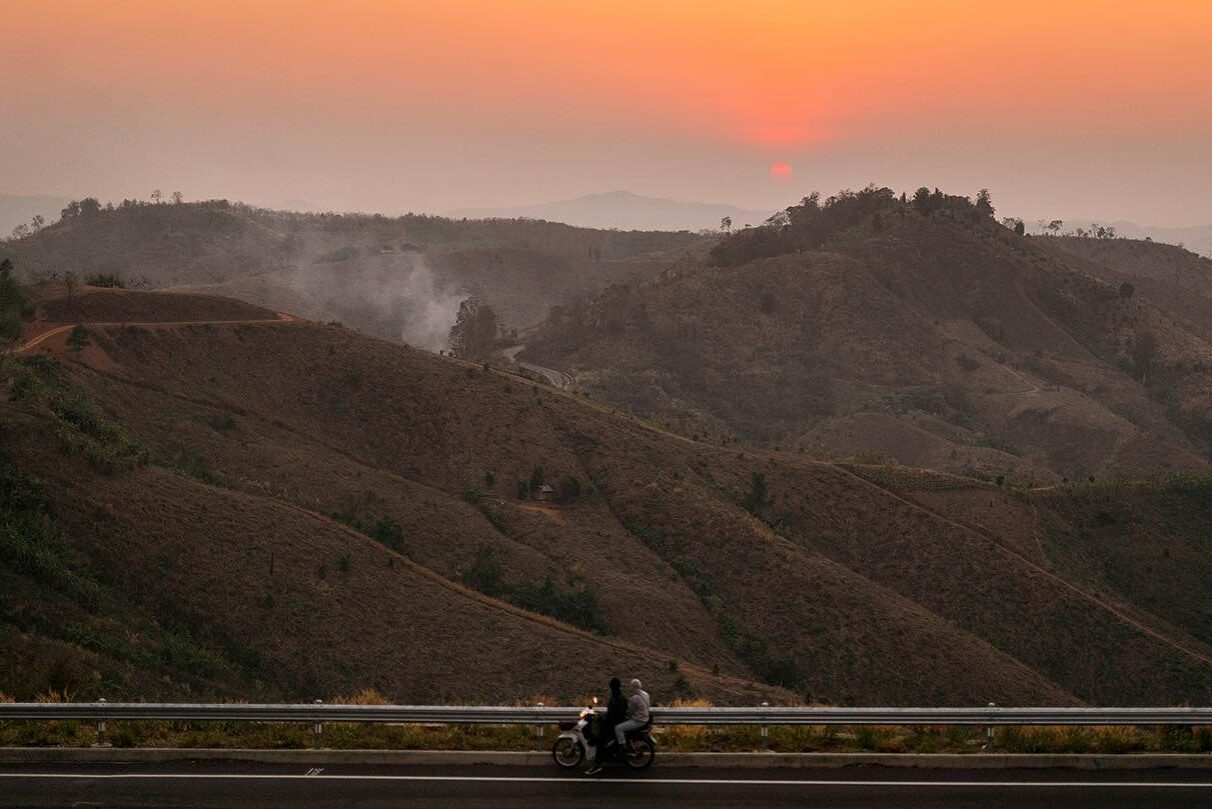

The dust we see floating in the air may not be solely the result of burning or human activity. It can also be a signal of long-accumulated changes within natural systems. As forests, wetlands, and green spaces gradually disappear, nature’s ability to absorb and manage dust disappears along with them.
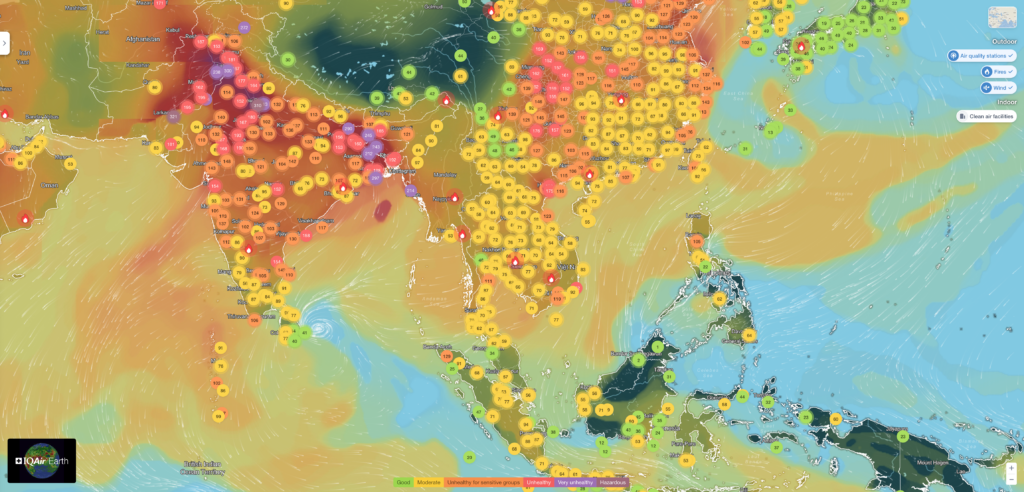
PM2.5 refers to extremely fine particles suspended in the air.
The name comes from “Particulate Matter,” and the number 2.5 indicates a diameter smaller than 2.5 microns. Compared to a human hair, which is about 70 microns wide, these particles are many times smaller, small enough to penetrate deep into the lung alveoli, and some can even enter the bloodstream without us realizing it.
Most PM2.5 is generated by incomplete combustion. Scientifically speaking, when fuel is burned with insufficient oxygen or under uncontrolled conditions, tiny particles are released instead of being fully converted into gases. Many of these particles are invisible to the naked eye, yet they remain suspended in the air we breathe every day.
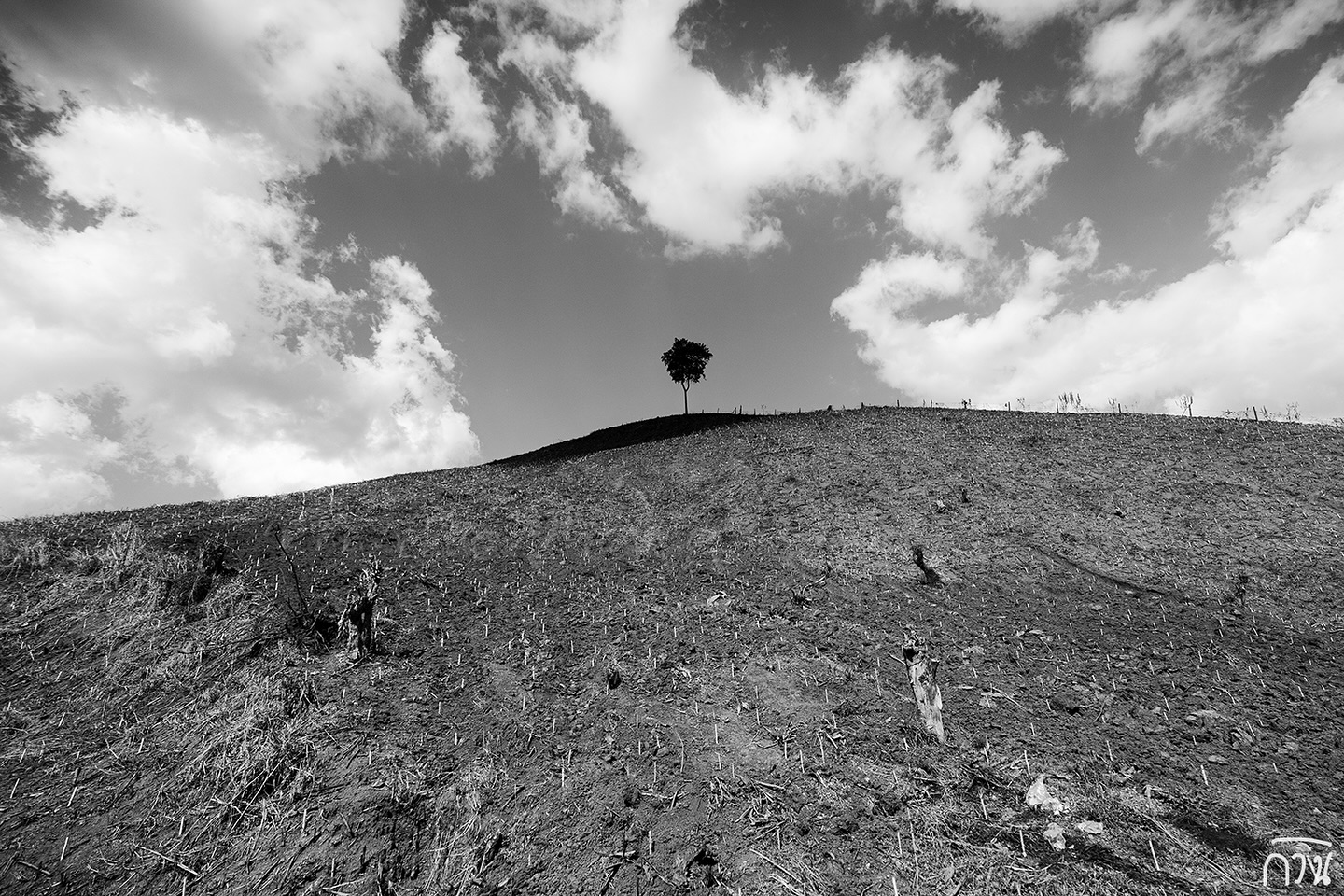
Open burning and wildfires
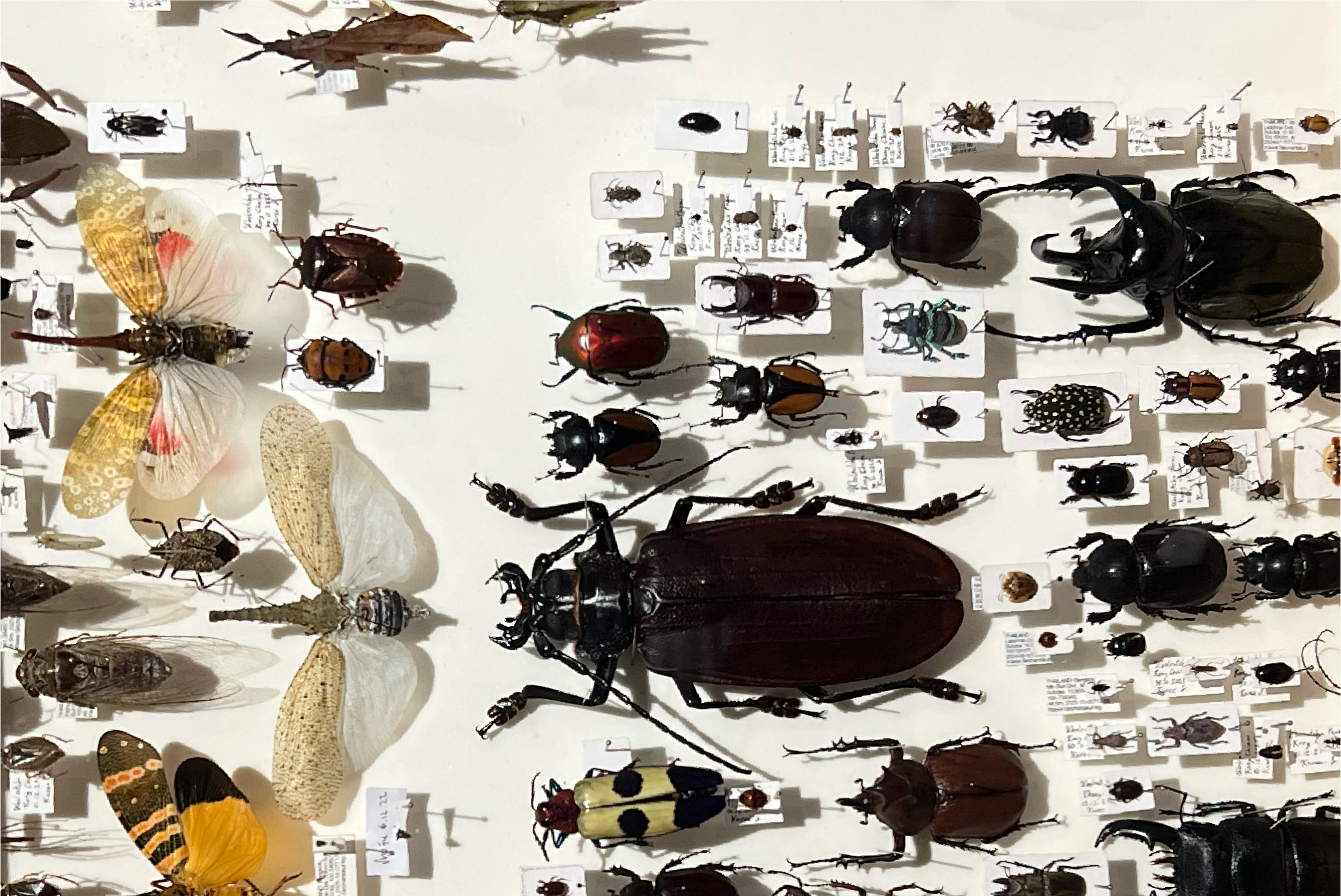
also affect small living organisms that often go unnoticed. Many insects live in soil, beneath leaf litter, or depend on specific host plants. When land is burned, their life cycles are abruptly disrupted. Insects that once played roles in pollination, decomposition, or served as food for other animals gradually decline, often silently.
As insects decrease, small animals such as birds, lizards, frogs, and small mammals are affected as well. Ecosystems that were once balanced become fragile, and as the structure of nature weakens, dust and smoke are more likely to accumulate in the air for longer periods.
Seen from this perspective, dust is not just a health or air quality problem. It is the result of nature losing its ability to care for itself. Burning may seem to manage land in the short term, but in the long run it leaves landscapes bare, dry, and filled with particles ready to rise into the sky.
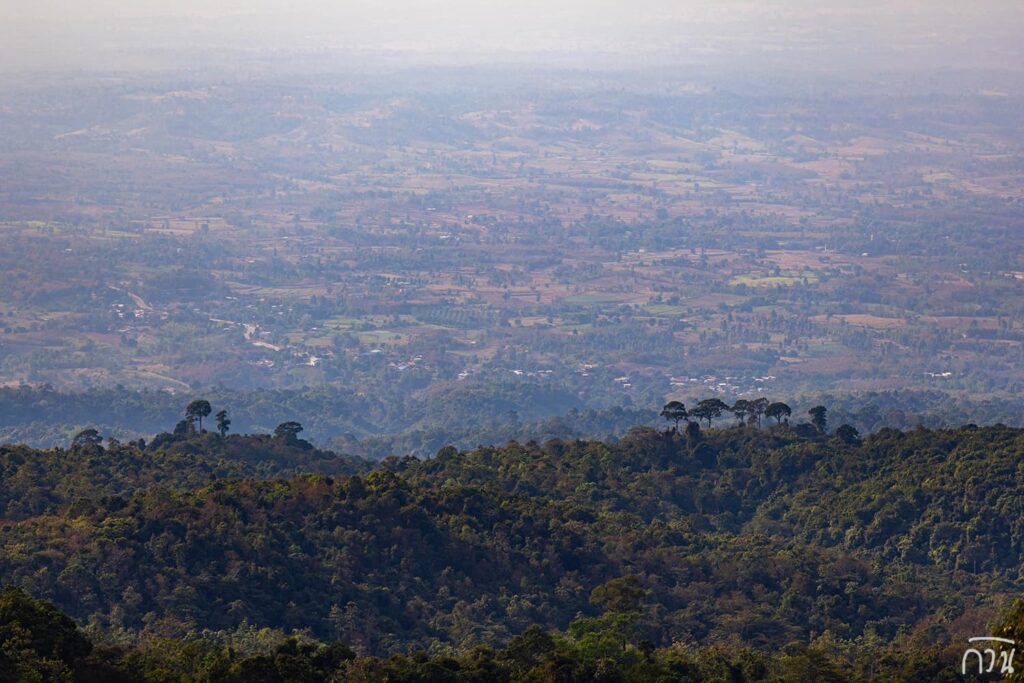
Solving the dust problem
does not begin with machines or technology alone, but with restoring natural areas, allowing insects to return to their natural rhythms, and recognizing the value of small ecosystems that quietly filter the air for us without asking for anything in return.
Ultimately, PM2.5 is not merely an air pollution issue. It reflects how we use resources, produce food, and manage our environment. Understanding where dust comes from and how it connects to our way of life may be the starting point for asking how we can live with nature in a more balanced and sustainable way. Sometimes, change begins simply by noticing the small things floating in the air around us.
References
- Chen D., Yan J., Sun N., Sun W., Zhang W., Long Y., Yin S. Selective capture of PM2.5 by urban trees: The role of leaf wax composition and physiological traits in air quality enhancement. Journal of Hazardous Materials. 2024. This study shows that different tree species vary in their ability to capture PM2.5, with factors such as leaf structure and wax composition influencing dust adhesion.
- Study of the Effect of Vegetation on Reducing Atmospheric Pollution Particles. Remote Sensing. 2022;14(5):1255. This study uses satellite imagery to examine how forest types and vegetation cover affect the reduction of PM2.5, finding that areas with denser vegetation capture more particulate matter than sparsely vegetated areas.